
Large-Scale Research Network Receives 3.7 Million Euros to Revolutionize Wildlife Conservation Practices with Drones
23.3.2023 11:26:38 CET | Syddansk Universitet | Press release
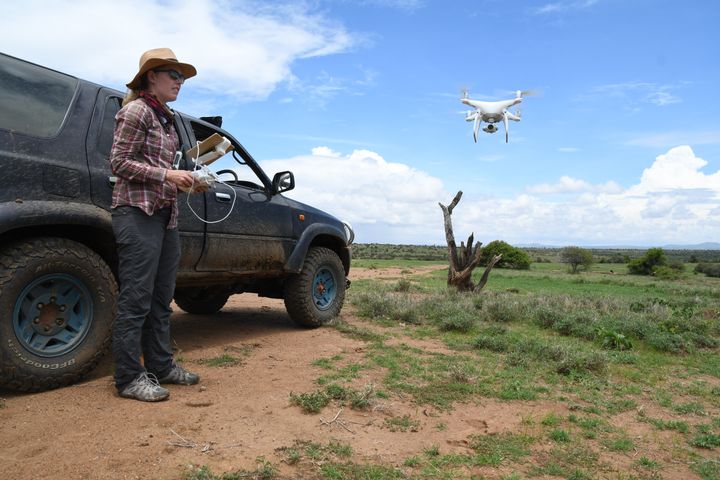
It will revolutionize the way we do wildlifeconservation. Nothing less.
At least, that is the ambition behind the new large-scale research network WildDrone, which is led by the University of Southern Denmark (SDU). The network has received 3.68 million euros in funding from the EU, UK Research and Innovation (UKRI), and the Swiss State Secretariat for Education, Research and Innovation (SERI).
19 partners are involved in the network, including several European and African universities, numerous research institutions, nature reserves, private companies, and major global institutions such as BBC. The research will take place both in Europe and in Africa.
And the researcher coordinating it all is Professor Ulrik Pagh Schultz Lundquist from the drone center at SDU in Odense, Denmark.
- In short, WildDrone aims to bring together three different areas of expertise: biology, drone technology and computer vision. The goal is to develop drone technology so that it becomes more useful in wildlife conservation, says Ulrik Pagh Schultz Lundquist.
Autonomous Drones
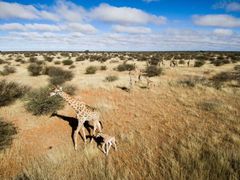
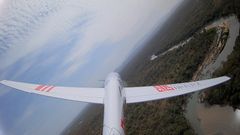
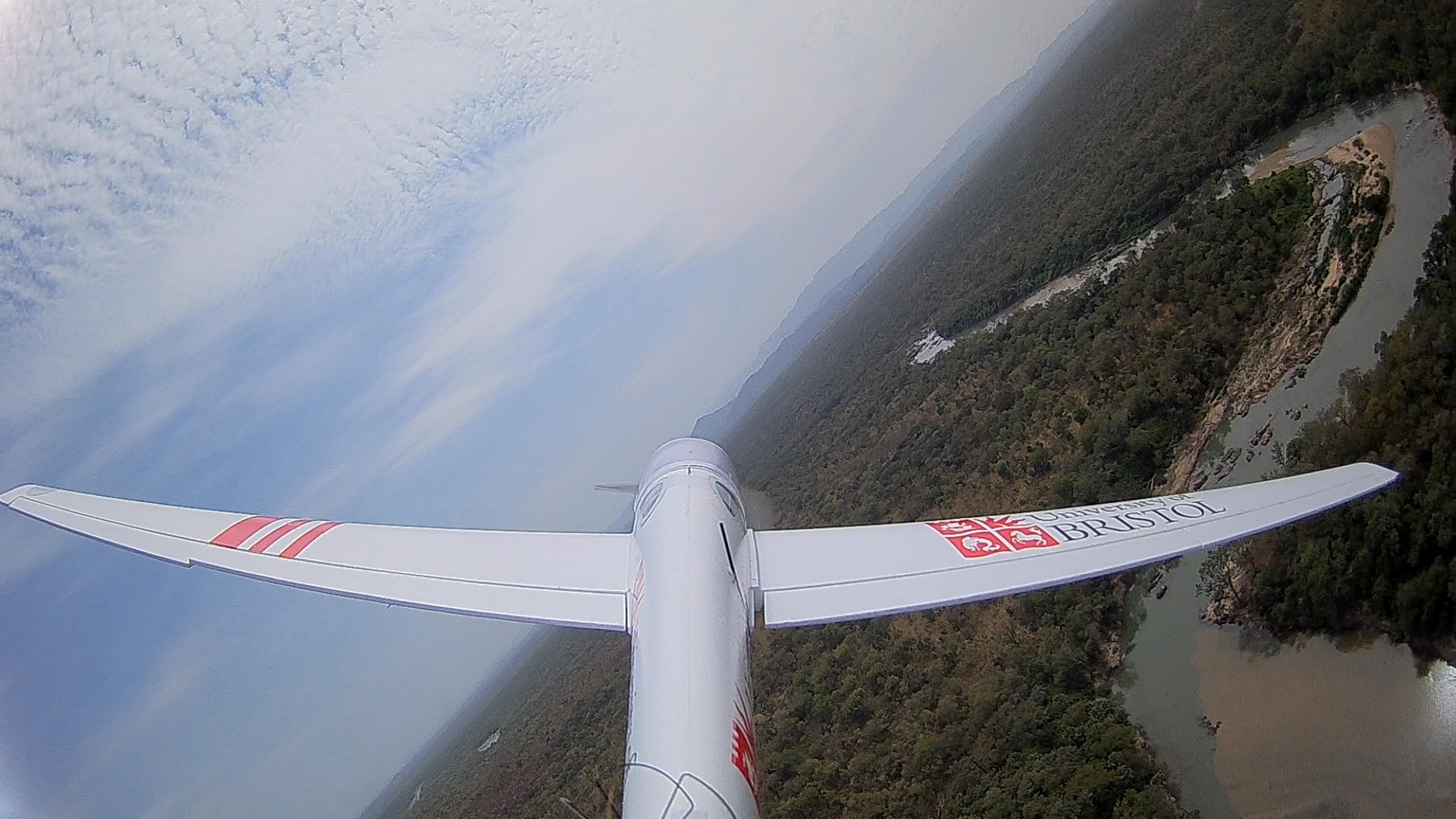
Drones are already widely used in wildlife conservation to collect information about endangered species. But it is a relatively labour-intensive manual tool that requires a drone pilot to control the drone and afterwards someone who can closely study and interpret the recordings.
In WildDrone, the researchers will automate the process so that the drones fly by themselves while collecting data, and the resulting information is processed automatically. This will allow biologists to gainentirely new knowledge about wildlife that would otherwise be practically inaccessible.
- We expect to be able to collect a significantly larger amount of data compared to what is possible now, and we also expect to get data at a higher level of accuracy because we can process it automatically, says Ulrik Pagh Schultz Lundquist.
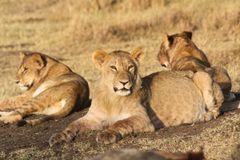
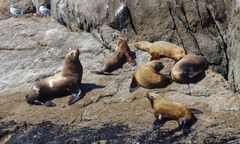
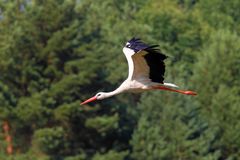
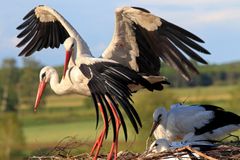
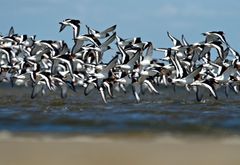
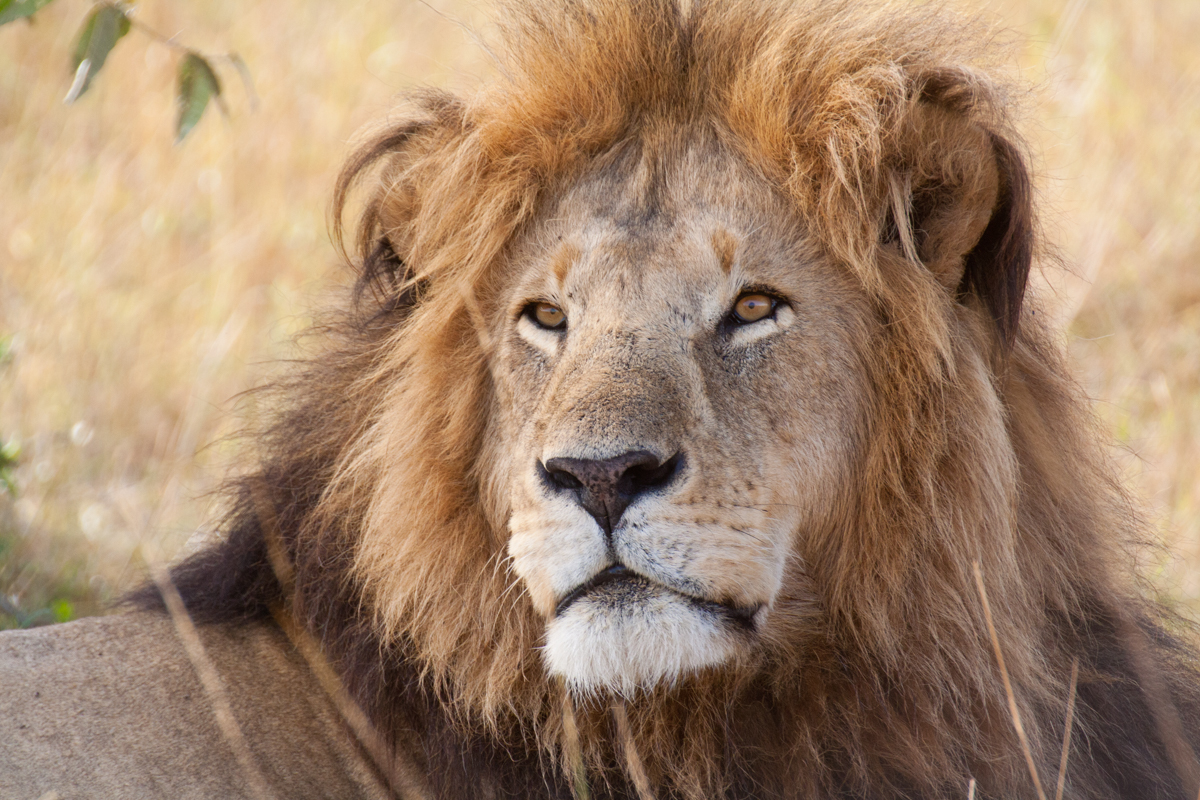
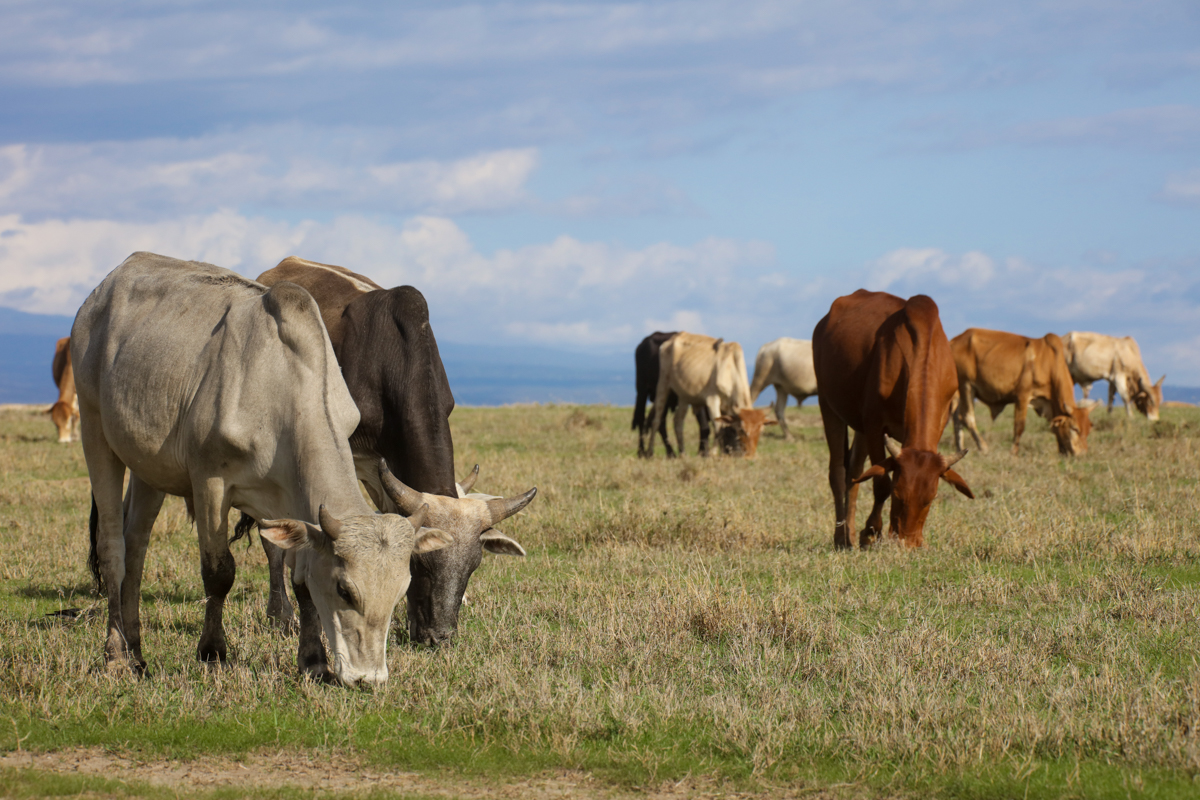
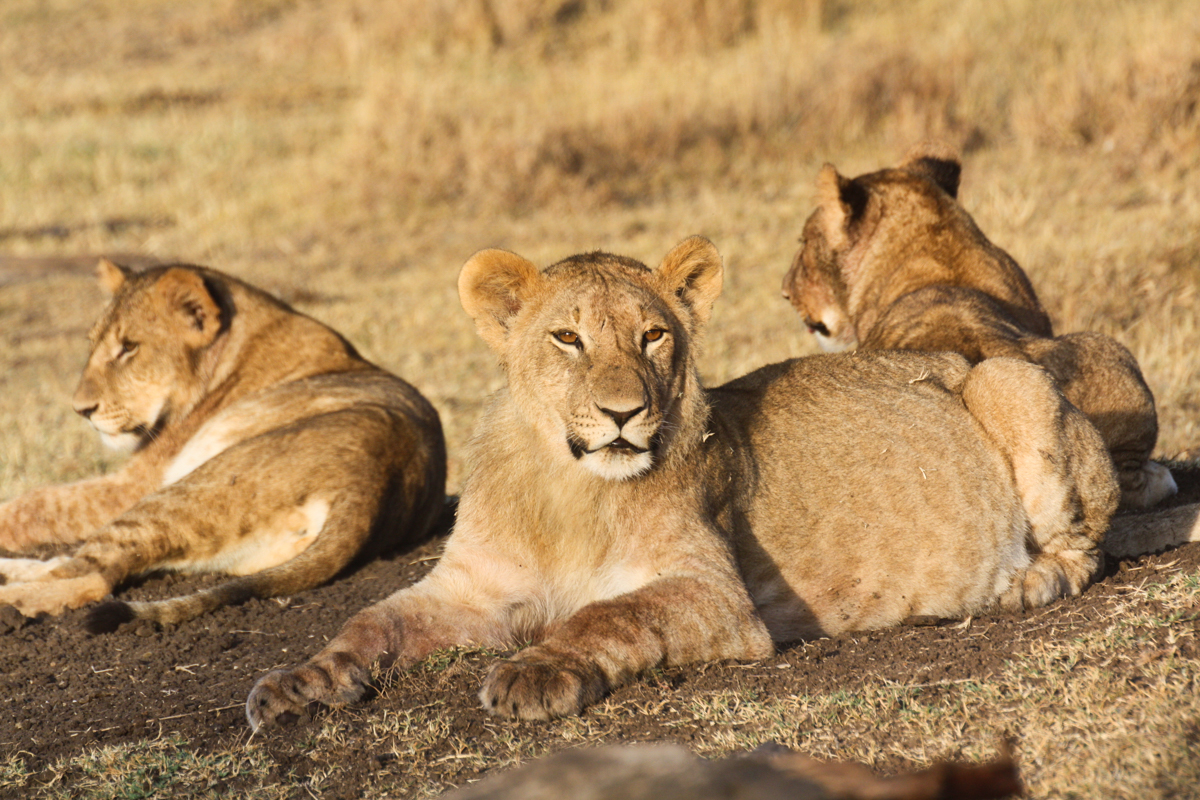
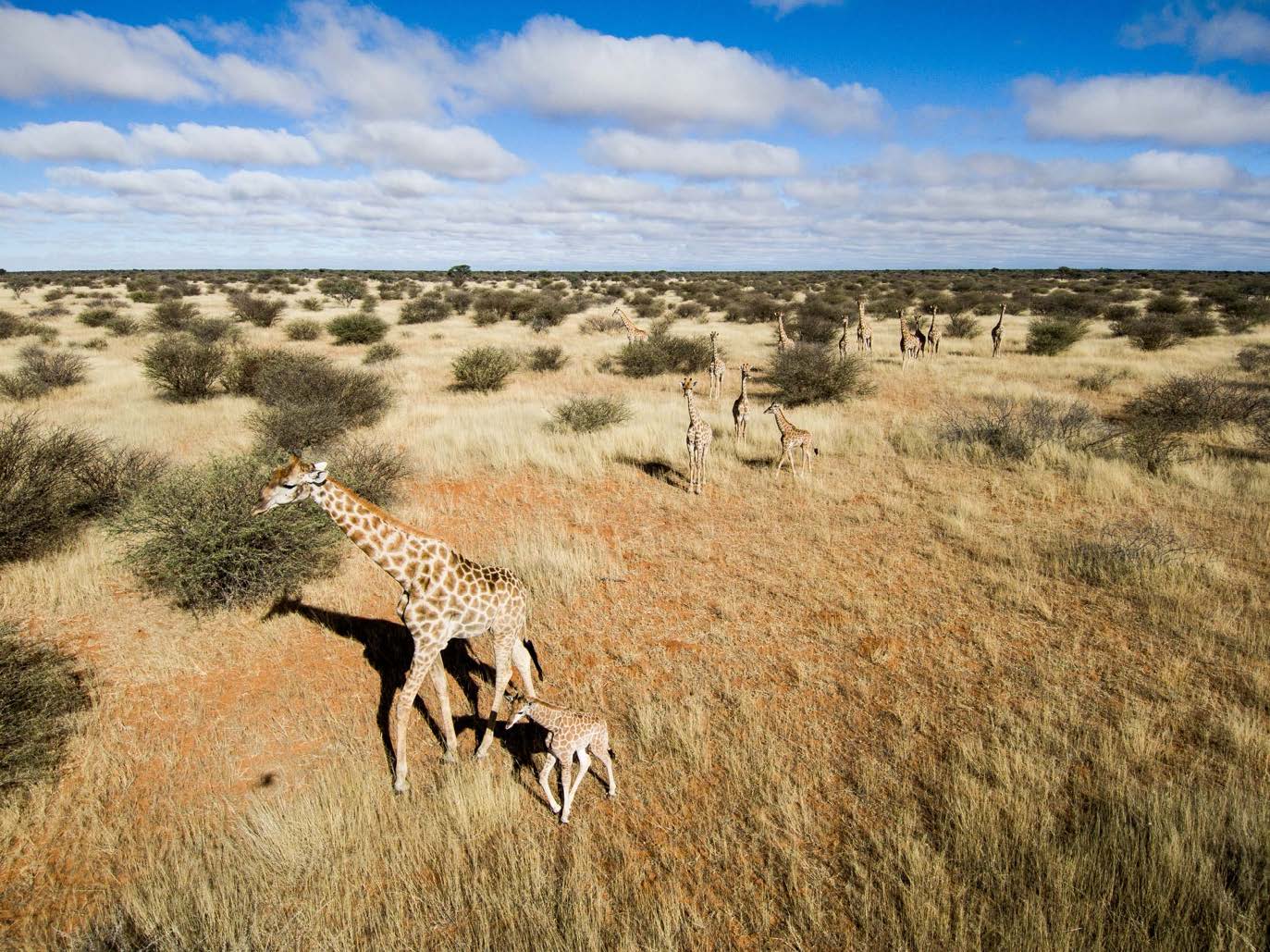
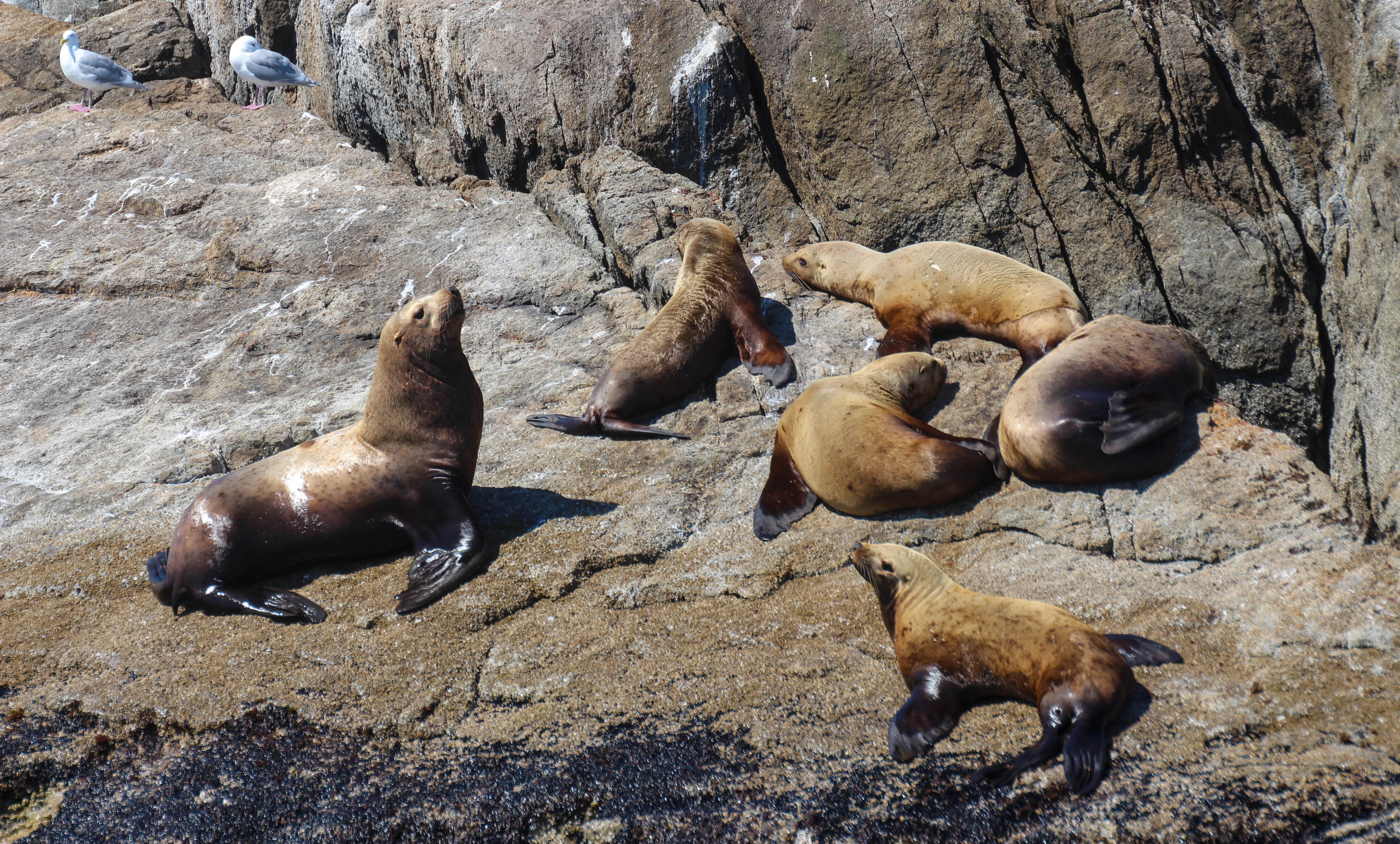
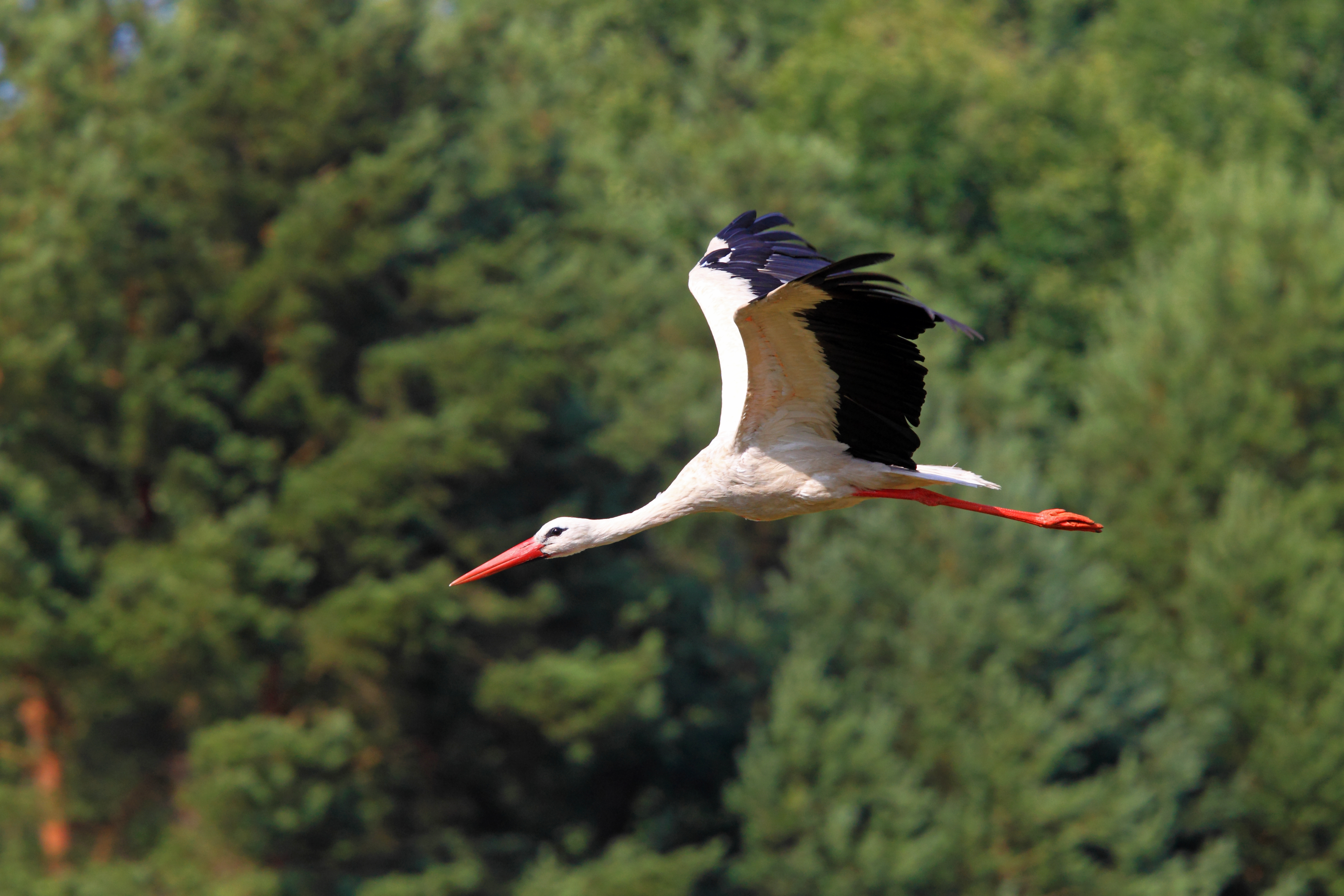
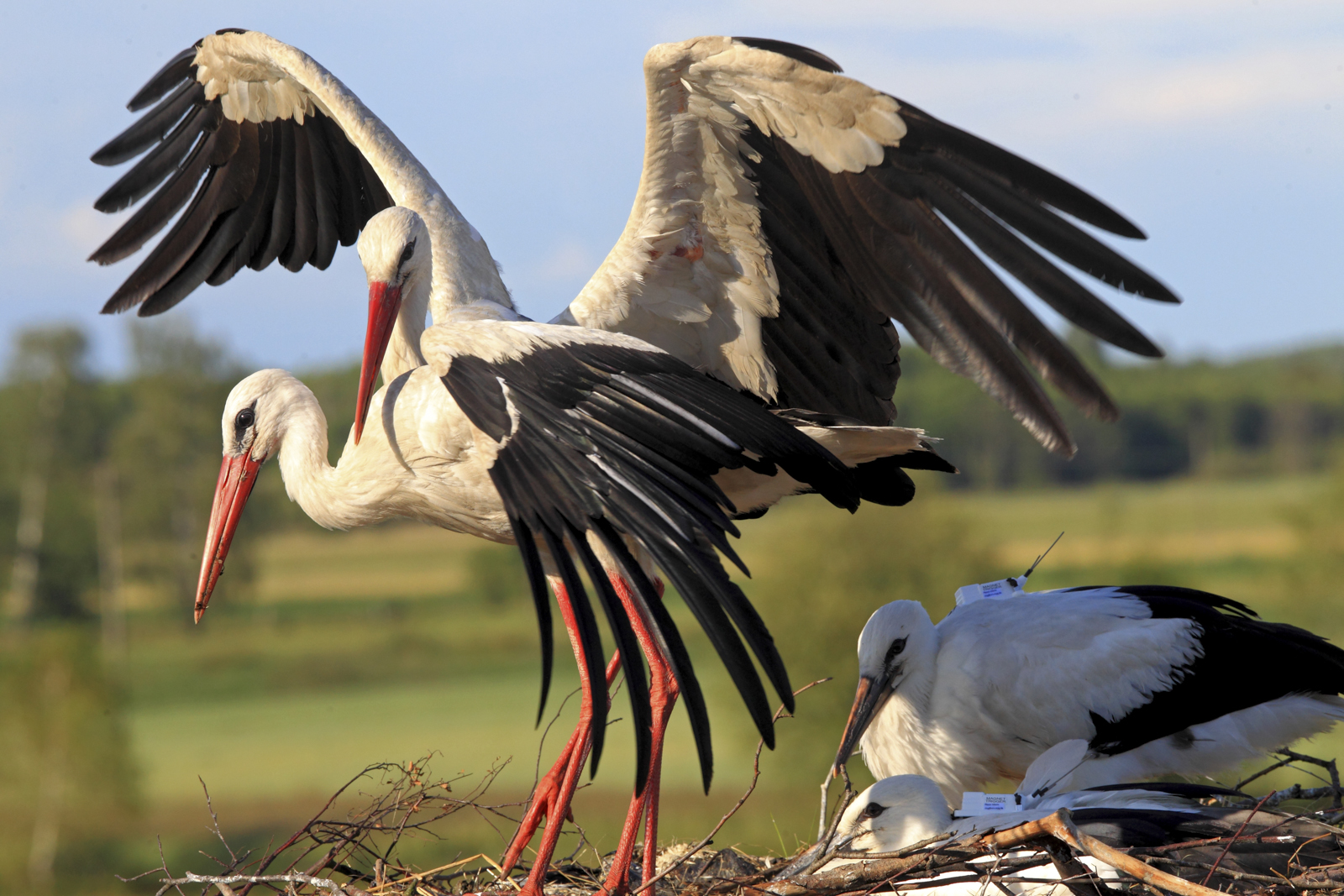
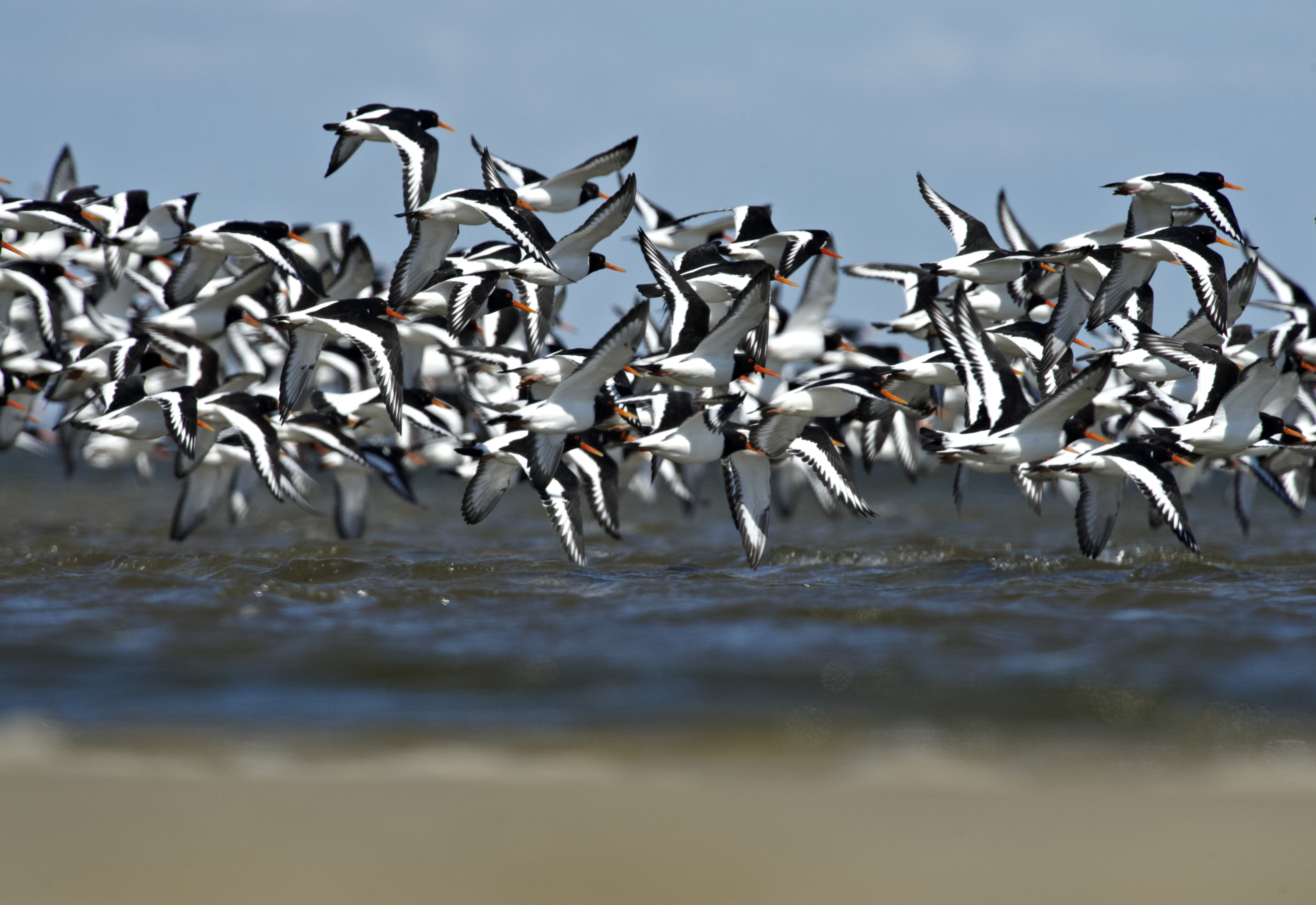
The network will carry out several specific research projects. For instance, the drones will monitor lions in Kenya to avoid conflicts with cattle herds. They will also observe porpoises, seals, and birds in the Wadden Sea along the west coast of Denmark and the north coast of Germany. The migration of storks between Northern Europe and Africa will also be investigated.
A Triple Planetary Crisis
WildDrone addresses one of the most important global agendas right now. Wildlife is disappearing globally at a worrying pace, so worrying in fact, that scientists are talking about a sixth mass extinction.
To address this biodiversity crisis, we need the right information. And some of that information could be obtained with the help of autonomous drones.
- It might be information that can be used directly to save endangered animals, but it could also be information that can qualify decisions at a political level. For example, when we are establishing new offshore wind farms, it is very relevant to know something about the wildlife in the area, says Ulrik Pagh Schultz Lundquist.
Drones will not replace existing technologies such as GPS transmitters or field observations. But they can be a very important supplement, says the professor.
- For example, technology for tracking birds already exists, but this technology doesn’t give us precise enough information about what the birds are doing at a givenlocation. And it could be important to know whether the birds are at a specific place because they are foraging or because they are resting.
New Interdisciplinary Skills
Even though the goals of the network are ambitious, we should not expect a commercially ready drone product for wildlife conservation when it is finished in 4 years.
- It's basic research, but even if just half of our goals are achieved, we will have accomplished quite a lot, in terms of what drones can be used for in nature. And in any case, we will have much more knowledge on the subject, says Ulrik Pagh Schultz Lundquist.
- I also expect that we will be able to use the results in other areas, such as in agriculture and for monitoring wildlife in European rewilding efforts.
The network is part of the EU's so-called Marie Skłodowska-Curie Actions, and will train 13 PhD students in ecology, drone technology, and computer vision during the network’s lifespan. And the educational and interdisciplinary scope of the network is key, says the coordinator:
- Both ecologists and engineers will develop brand new interdisciplinary skills that may be vital when it comes to solving future challenges.
FACTS
- WildDrone is an interdisciplinary training network funded by the EU's Marie Sklodowska-Curie Actions. The goal is to investigate the use of autonomous drones and automatic image processing for wildlife conservation.
- The network is active from 1 January 2023 to 31 December 2026 and is funded with a total of 3.699.680.14 million euros. During this period, 13 PhD students will carry out research projects within the areas of ecology, drone technology, and computer vision.
- The project is led by a consortium of 19 partners. The partners hosting doctoral candidates are University of Southern Denmark, Max Planck Institute of Animal Behavior, Westfälische Wilhelms-Universität Münster, WIPSEA, Wageningen University & Research, University of Bristol, Fondazione Bruno Kessler (FBK), Avy and Ecole Polytechnique Fédérale de Lausanne (EPFL).
- There are also several associated partners: Ol Pejeta Conservancy, the Wadden Sea National Park, Bristol Zoological Society, Kenyatta University, Universität Konstanz, the Danish Ministry of Environment, KBR Wyle Services, Kuzikus Wildlife Reserve, Danish Agriculture & Food Council, BBC, and WWF Switzerland.
Keywords
Contacts
Ulrik Pagh Schultz Lundquist, Professor, SDU
Mail: ups@mmmi.sdu.dk
Phone: +45 65503570
Mobile: +45 40797629
Images
Links
About Syddansk Universitet


Subscribe to releases from Syddansk Universitet
Subscribe to all the latest releases from Syddansk Universitet by registering your e-mail address below. You can unsubscribe at any time.
Latest releases from Syddansk Universitet
Ny professor vil styrke forskning i leversygdomme tæt på patienterne5.2.2026 14:06:10 CET | Pressemeddelelse
Mette Munk Lauridsen er udnævnt til professor i intern medicin med speciale i mave-, tarm- og leversygdomme ved Syddansk Universitet. Hun har sin daglige kliniske tilknytning til Sydvestjysk Sygehus i Esbjerg og Grindsted.
Hospitalssenge skal lære af elbiler og sende strøm tilbage i batteriet4.2.2026 09:36:17 CET | Pressemeddelelse
Et nyt dansk forskningsprojekt vil overføre teknologien fra elbiler til hæve-sænk-borde og hospitalssenge. Ved at designe motor og elektronik som én samlet enhed vil forskere og industri reducere energitabet og gøre det muligt at lade batteriet op hver gang udstyret kører nedad.
Celler har en indbygget bremse for DNA-kopiering – og det kan få betydning for kræftbehandling28.1.2026 17:00:00 CET | Pressemeddelelse
SDU-forskere har identificeret en ny mekanisme, der styrer DNA’s evne til at kopiere sig – og dermed en celles evne til at dele sig. Da kræftceller er kendetegnet ved aggressiv celledeling, er denne opdagelse vigtig for kræftforskningen.
Ung forsker fra SDU skal sikre, at vi har kritiske råstoffer nok til den grønne omstilling28.1.2026 09:04:10 CET | Pressemeddelelse
Den grønne omstilling står og falder med adgangen til kritiske råstoffer, der i dag er præget af sårbare forsyningskæder i en usikker verden. Lektor Wu Chen fra Institut for Grøn Teknologi på SDU vil nu kortlægge, hvordan Danmark kan sikre forsyningssikkerheden af de kritiske materialer. Projektet er støtte af Villum Fondens Young Investigator-program.
SDU Climate Clusters projekt POSEIDON viser, at klimatilpasning kræver samarbejde på tværs af grænser23.1.2026 07:00:00 CET | Pressemeddelelse
Efter midtvejsvejskonferencen ”Klimatilpasning – sammen om fremtiden” står én konklusion klart: Klimaforandringer stopper hverken ved kommune- eller landegrænser og løsningerne gør heller ikke.
In our pressroom you can read all our latest releases, find our press contacts, images, documents and other relevant information about us.
Visit our pressroom